If you are looking for something which is more than just a trip, then a Bhutan tour is exactly what you need.
Bhutan is a serene Himalayan kingdom located between India and China and is known for its breathtaking landscapes and deep-rooted Buddhist traditions. With a history dating back to the 17th century under the unifier Zhabdrung Ngawang Namgyal, this country has still preserved its monarchy, culture, and spiritual heritage amidst growing global modernity.
The stillness at Tiger’s Nest, the giggle of school children in Punakha, the scent of incense in Bumthang, and the flavour of yak cheese shared by a village grandmother; all these are the kinds of memories that linger long after your Bhutan tour ends.
Here, we have listed the top 8 places to visit in Bhutan, each offering a unique blend of local cuisine, vibrant culture, scenic beauty, and immersive experiences
1. Thimphu, The Capital of Bhutan
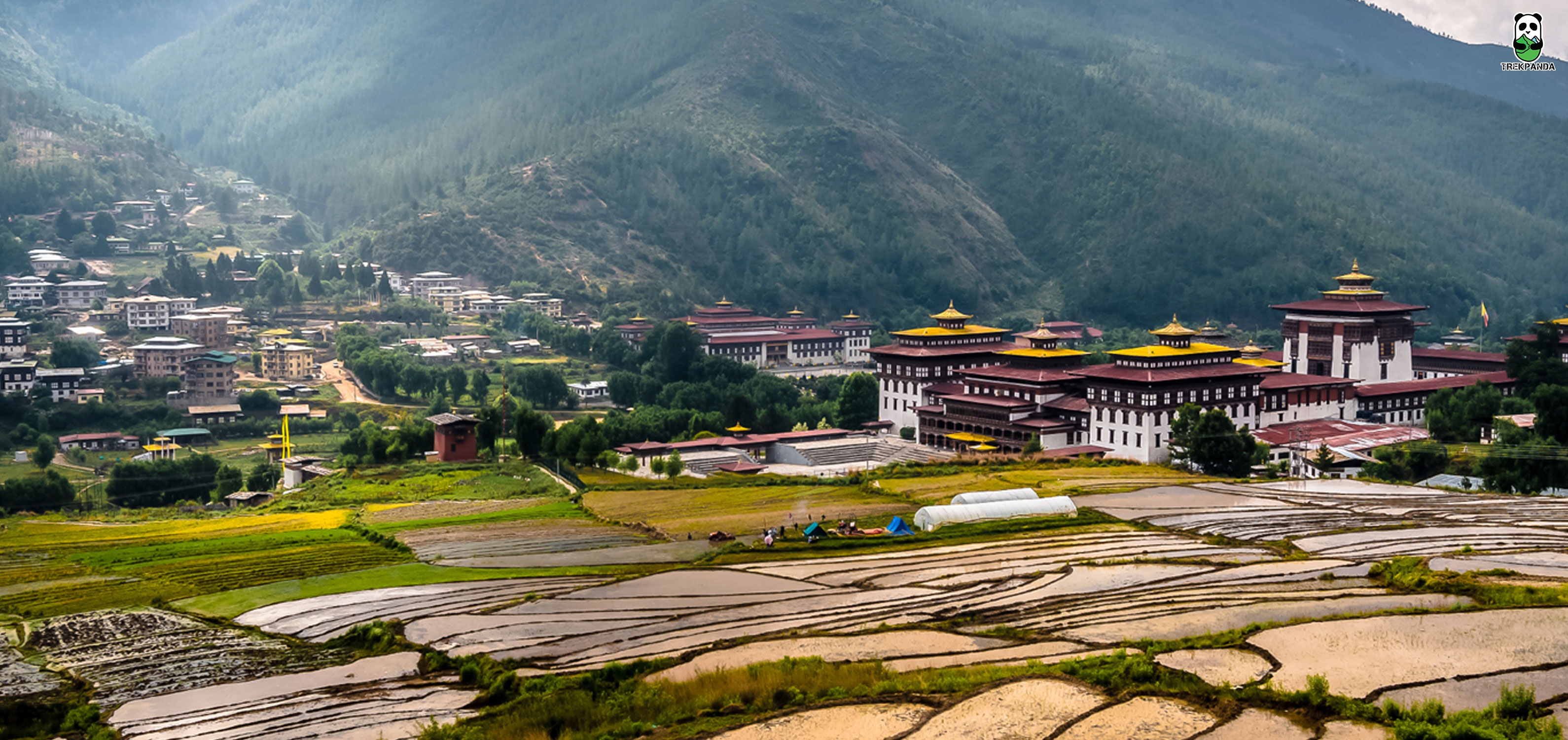
Start your Bhutan tour in Thimphu, the capital city. It may be the most urban part of Bhutan, but do not expect glitzy malls or traffic lights. Thimphu offers a blend of cultural richness and gentle modernity.
Places to Visit:
- Tashichho Dzong: A magnificent fortress and seat of the government.
- Buddha Dordenma: A massive golden Buddha statue overlooking the valley.
- Folk Heritage Museum: A perfect place to understand traditional Bhutanese life.
- Craft Bazaar: For authentic handwoven textiles, thangka paintings, and wooden crafts.
Food to Try:
Ema Datshi (chilli and cheese), Suja (butter tea), Phaksha Paa (pork with radish), and momos at local eateries like The Zone or Folk Heritage Restaurant.
Thimphu major attractions include “Tashichho Dzong” with the massive fortress monastery best visited at sunset with a great view of the “Buddha Dordenma” statue which offers a stunning valley view. Also the “Folk Heritage Museum" which gives visitors a glimpse into traditional Bhutanese life. The most famous weekend market by the Wang Chuu river is the best place to experience local culture and food variations where vendors would be selling chillies, yak cheese and homemade local flavours and also famous “Ema Datshi”.
2. Paro, Gateway to Bhutan
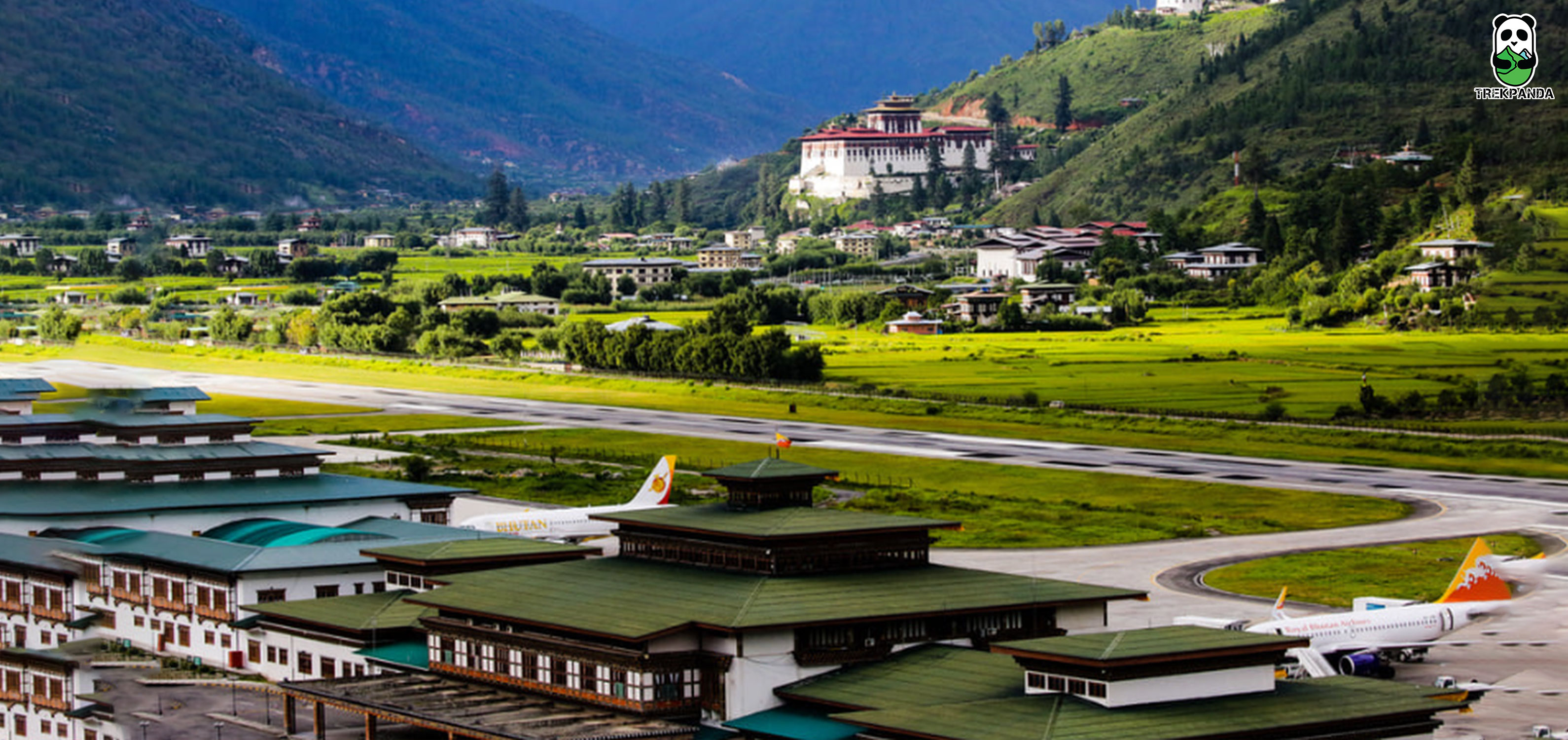
Paro is where most international flights land, and it is more than just an arrival point. The valley itself is one of the most scenic parts of a Bhutan tour.
Places to Visit:
- Tiger’s Nest Monastery (Taktsang): Bhutan's most iconic site, perched dramatically on a cliff. The 2-3 hour trek is challenging, but worth every step.
- Paro Dzong: A stunning fortress that captures Bhutanese architecture at its best.
- National Museum of Bhutan (Ta Dzong): Get insights into the country’s history and flora, and fauna.
Do Not Miss:
Walk along the Paro Chhu River at sunset, try a hot stone bath in a farmhouse, and enjoy red rice with Jasha Maroo (chicken stew).
The most iconic landmark of Bhutan’s where visitors can also explore the scenic trail to “Drukgyel Dzong” where clear days reveal breathtaking views of Mt. Jomolhari. A traditional Bhutanese hot stone bath is a just try local experience and also considered the best place once a visitor to experience relaxation and also comfort body pain. When we talk about food in Paro it is considered the most flavorful eateries like “Sonam Trophel” for authentic Bhutanese meals and Cafe Paro for famous Butter Tea and a Bucketwheat Pancakes.
3. Punakha – The Spiritual Heartland
Once the capital of Bhutan, Punakha sits at the confluence of two rivers, Mo Chhu and Pho Chhu. It is warmer, greener, and deeply spiritual.
Places to Visit:
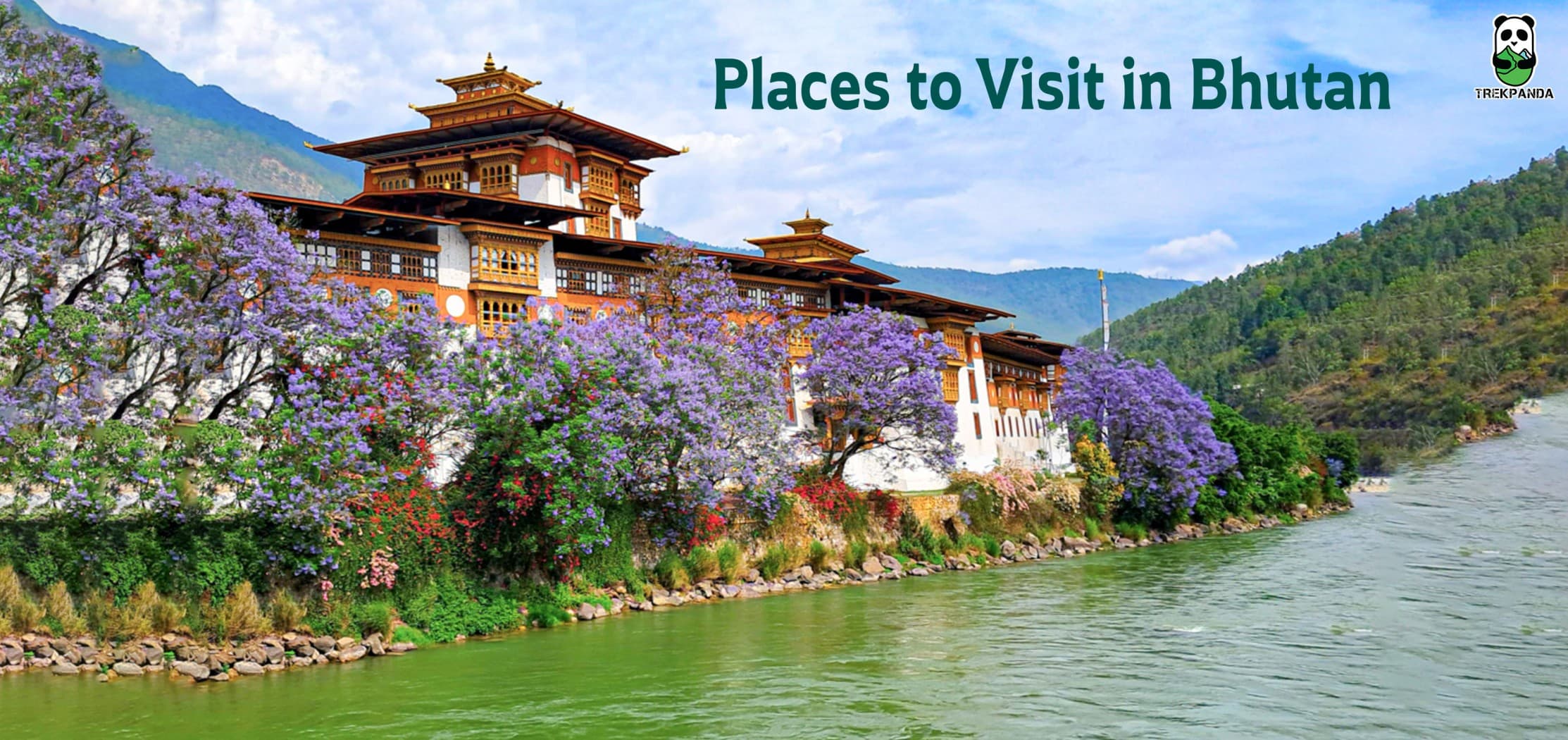
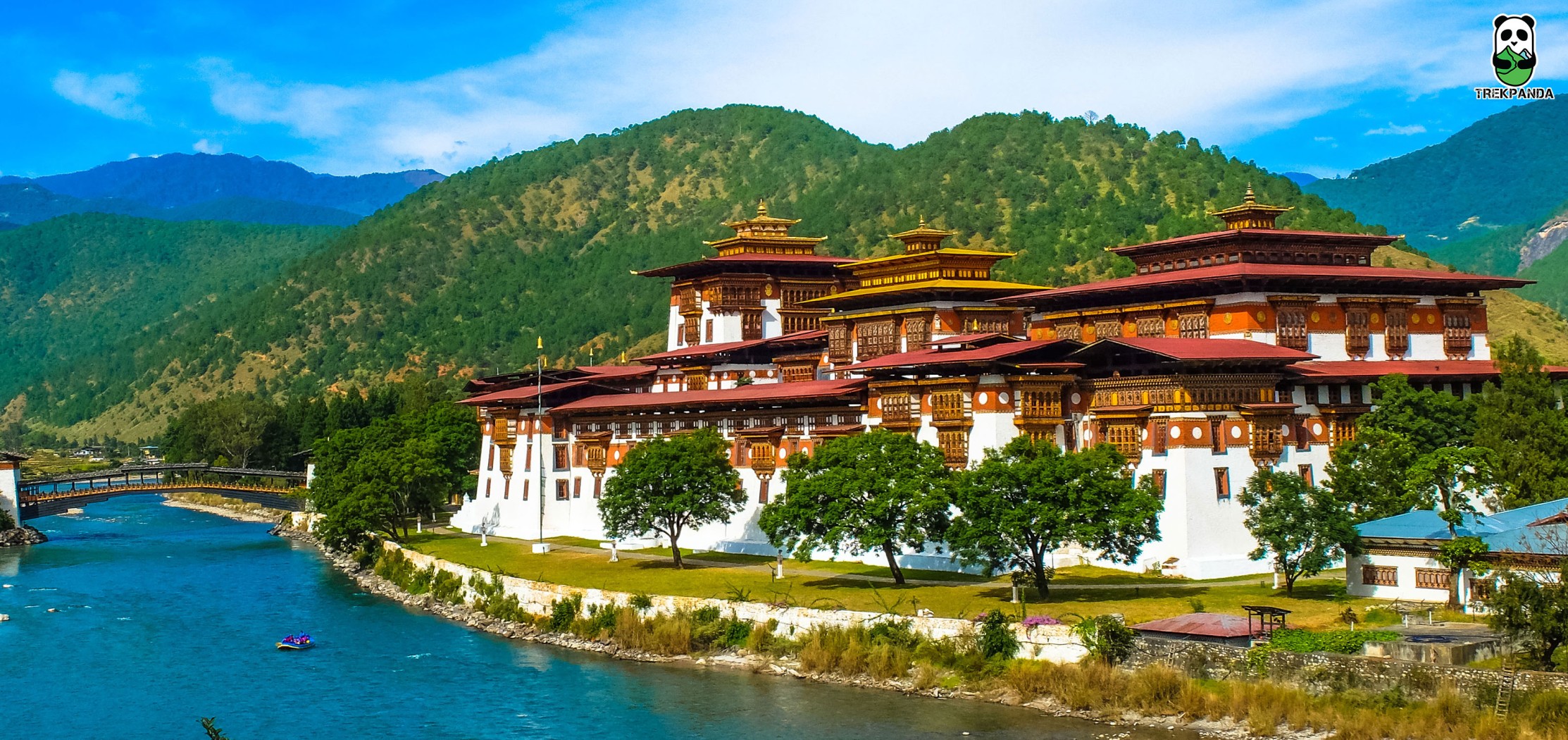
- Punakha Dzong: Arguably the most beautiful dzong in Bhutan, especially stunning during spring when jacaranda trees bloom.
- Suspension Bridge: One of the longest in Bhutan and perfect for photo ops.
- Chimi Lhakhang: The “Fertility Temple” dedicated to the Divine Madman, Lama Drukpa Kunley. You will see phallic symbols painted on homes. Do not be shocked; it is cultural.
Festivals to Attend:
Punakha Tshechu (Feb-March): Monks perform masked dances to chase away evil spirits.
Visitors should know that there is a “Punakha Tshechu Festival” which held in February and March features colorful masked dances, traditional music and Buddhist rituals performed inside the Dzong courtyard. In terms of food, visitors must try “Khur-le”, soft buckwheat pancakes served with butter or honey. During the Spring season one of the best places to see is Pho Chhu River with a bright morning valley covered in mist and prayer flags fluttering quietly in the wind.
4. Phobjikha Valley – The Valley of Black-Necked Cranes
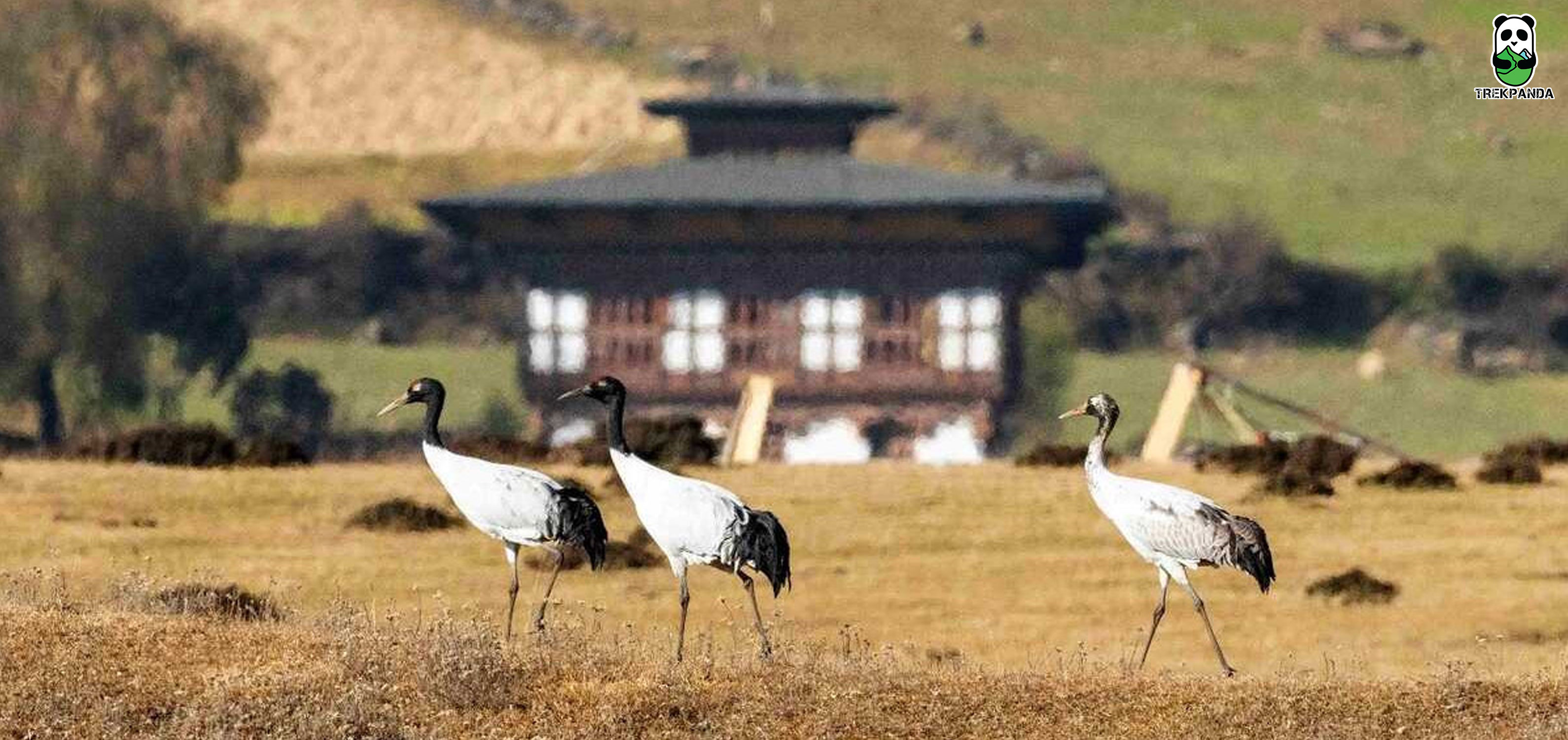
This glacial valley is a haven for nature lovers. If your Bhutan tour falls between late October and February, you can witness the endangered black-necked cranes migrating from Tibet.
Places to Visit:
- Gangtey Monastery: A 17th-century monastery with panoramic views of the valley.
- Cranes Festival (November): Celebrate the arrival of cranes with dances and community celebrations.
- Nature Trails: Go for guided nature walks through pine forests, interacting with locals.
Savour Local Life:
Stay in a homestay, eat locally sourced buckwheat pancakes, and sip ara (homemade rice wine).
The place in Bhutan is famous for its wetlands and the arrival of rare black-necked cranes during winter season. The Gangtey Monastery is one of Bhutan's most important "Nyingma Buddhist” monasteries which offers a great view of the valley and calm spiritual atmosphere.
The food here is simple, fresh and deeply local like “Puta” a handmade buckwheat noodle served with butter and fresh vegetables, mushrooms, pancakes and Ema Datshi.
5. Bumthang – The Cultural Heart of Bhutan
If you are truly interested in the spiritual core of Bhutan, add Bumthang to your itinerary. This highland region is dotted with ancient monasteries, apple orchards, and legends.
Places to Visit:
- Jakar Dzong: Known as the “Castle of the White Bird.”
- Kurjey Lhakhang: One of Bhutan’s most sacred monasteries, believed to house Guru Rinpoche’s body imprint.
- Tamshing Lhakhang: Known for its ancient Buddhist paintings.
Food You Will Love:
Try Swiss cheese and apple cider at the Red Panda Brewery and cheese factory—yes, Bhutan has Swiss influence too!
A hidden gem of the region is the quiet “Tang Valley” home of the sacred Mebar Tsho or Burning Lake which is an important pilgrimage site surrounded by serene natural beauty. The famous “Bumthang Cheese Factory” and “Red Panda Brewer” which produces locally cheese , yoghurt, apple products and craft beer inspired by Swiss techniques introduced in the 1970s, traditional dish following “Ngathri Datshi” which is made with local cheese is very popular among valley and visitors usually enjoy this with local dishes.
6. Haa Valley – Underrated Yet Unmissable
If you prefer offbeat paths in your Bhutan tour, Haa Valley is your answer. Serene, untouched, and brimming with authenticity.
Places to Visit:
- Chele La Pass: Bhutan’s highest motorable pass, connecting Paro to Haa. It offers jaw-dropping views of Mt. Jomolhari.
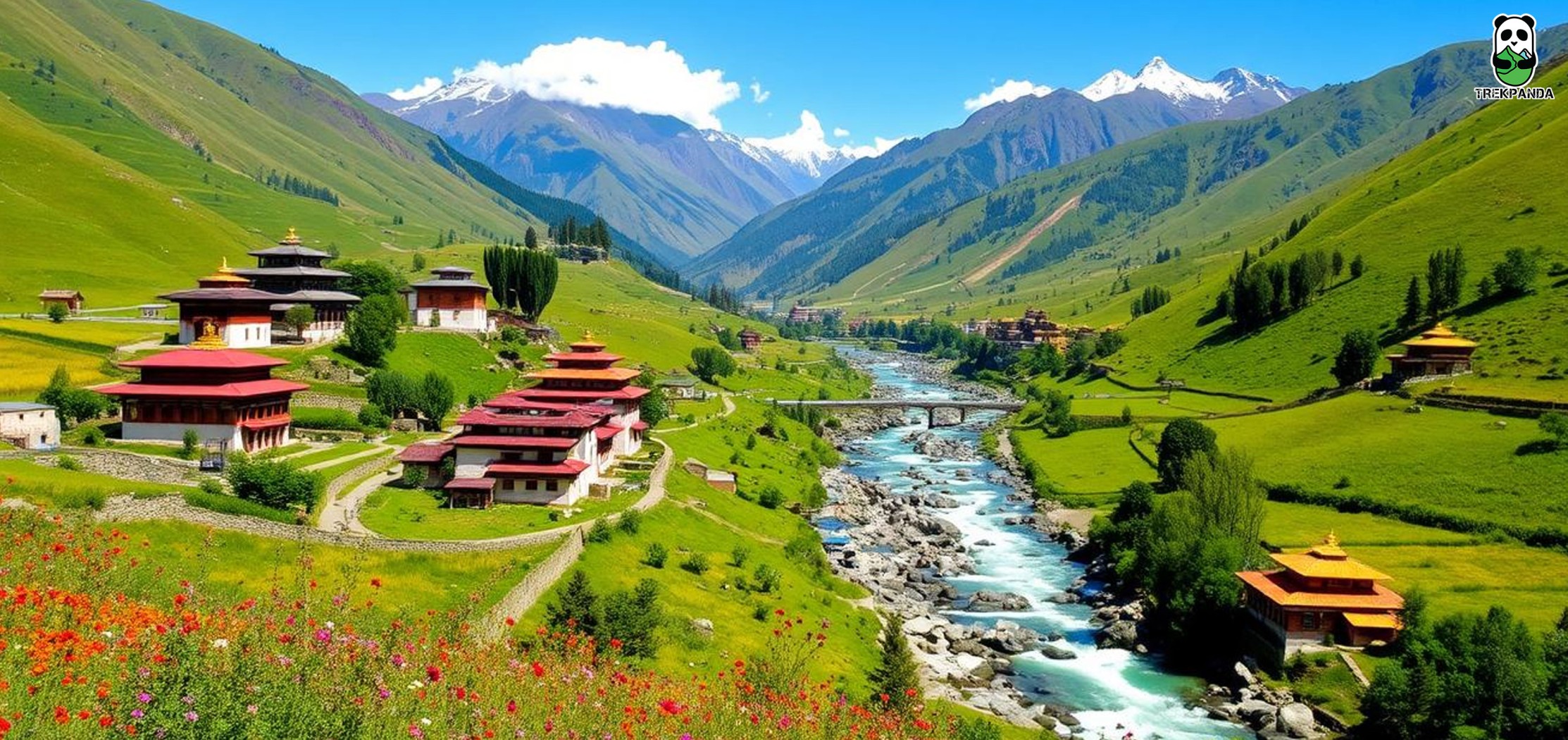
- Lhakhang Karpo & Nagpo: White and black temples with fascinating legends.
- Haa Summer Festival (July): An immersive showcase of local dance, food, yak riding, and archery.
Local Treat:
Zow Shungo (leftover vegetables and rice dish) is cooked by local grandmothers in small eateries.
Haa Valley which offers a breathtaking view of snow covered peak of “Mt. Jomolhari” and “Jichu Drake” the valley is also a home to the ancient Lhakhang Karpo and Temples which believed to date back to the 7th century which was during July considered as “Haa Summer Festival” which brings the valley alive with Yak Racing , Archery, Traditional dance and local celebrations.I term so food it have one of the most comforting food visitors ever have leftover red rice, vegetables, butter and chillies is common homemade meal meanwhile “Hoentary” a buckwheat dumplings filled and cheese and greens is the valley’s signature speciality.
7. Trongsa – A Historic Midway Town
Halfway between Thimphu and Bumthang lies Trongsa, a historic and strategic stronghold.
Places to Visit:
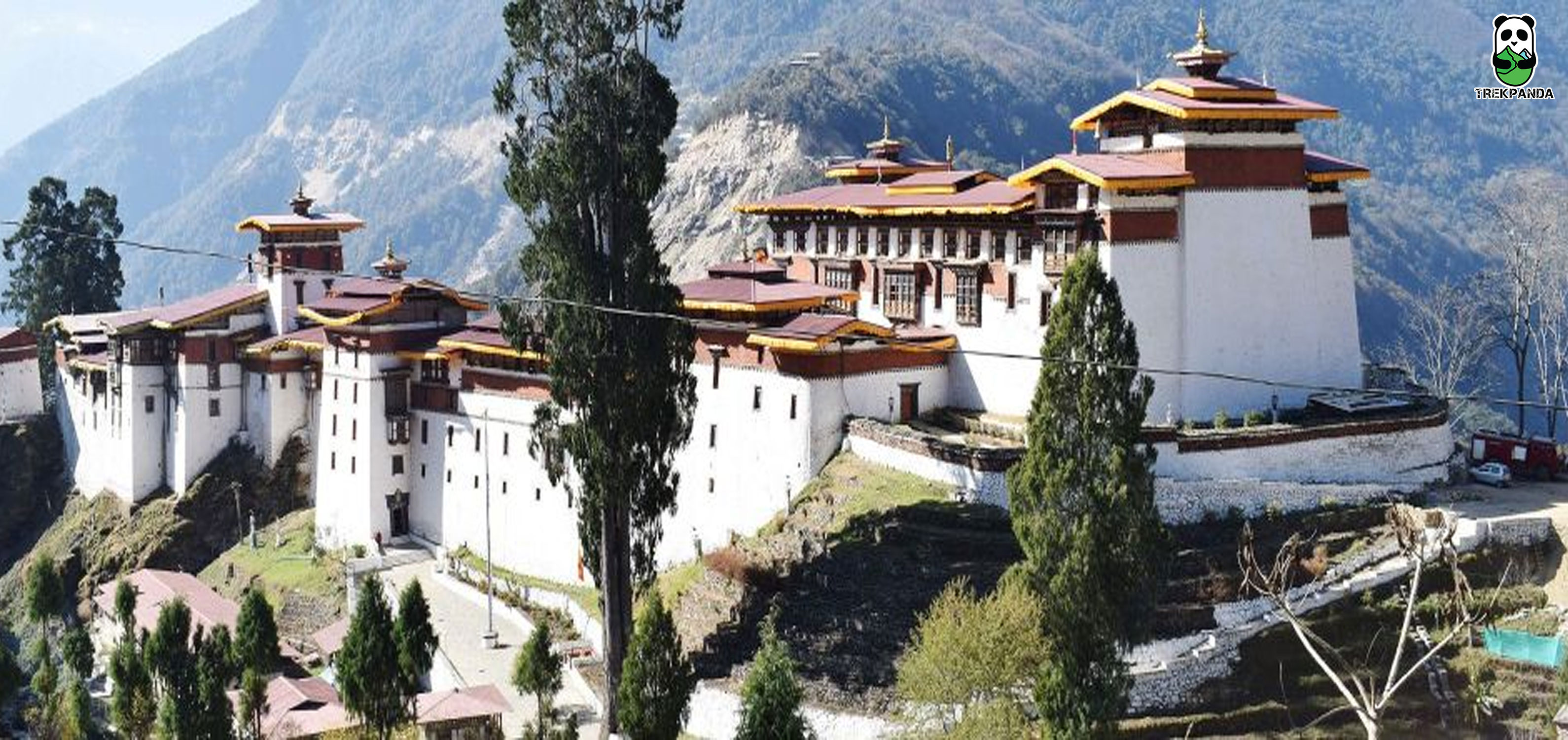
- Trongsa Dzong: The largest dzong in Bhutan. It is vast, commanding, and layered in history.
- Ta Dzong: Now a museum, it gives you glimpses into the monarchy and royal heritage.
Cultural Insight:
Trongsa is where every Bhutanese king serves as governor before ascending the throne—history lives here.
With the stunning scenery especially in the early morning when clouds fill the valley below the Dzong and the journey to Trongsa itself is covered with black mountains and scenic spots like Chendebji Chorten which visitors consider as peaceful white stupa beside the stream When we say food in Trongsa is simple , hearty and ideal for travellers crossing Bhutan’s mountain with delicious momos, butter tea and warming bowls of Thukpa noodle Soup for visitors the most popular place is “Trongsa Hotel” for traditional dishes like Ema Datshi and Yangkhil Resort which offers the best view experience to visitors while having meals.
8. Mongar & Trashigang – Eastern Bhutan’s Hidden Secrets
If you are planning a Bhutan tour, do not just stop at the well-trodden western towns. While Thimphu, Paro, and Punakha offer their own charm, venture further east if you are craving untouched landscapes and soulful experiences. Eastern Bhutan is raw, remote, and culturally rich; perfect for those who travel with curiosity in their hearts.
Places to Visit:
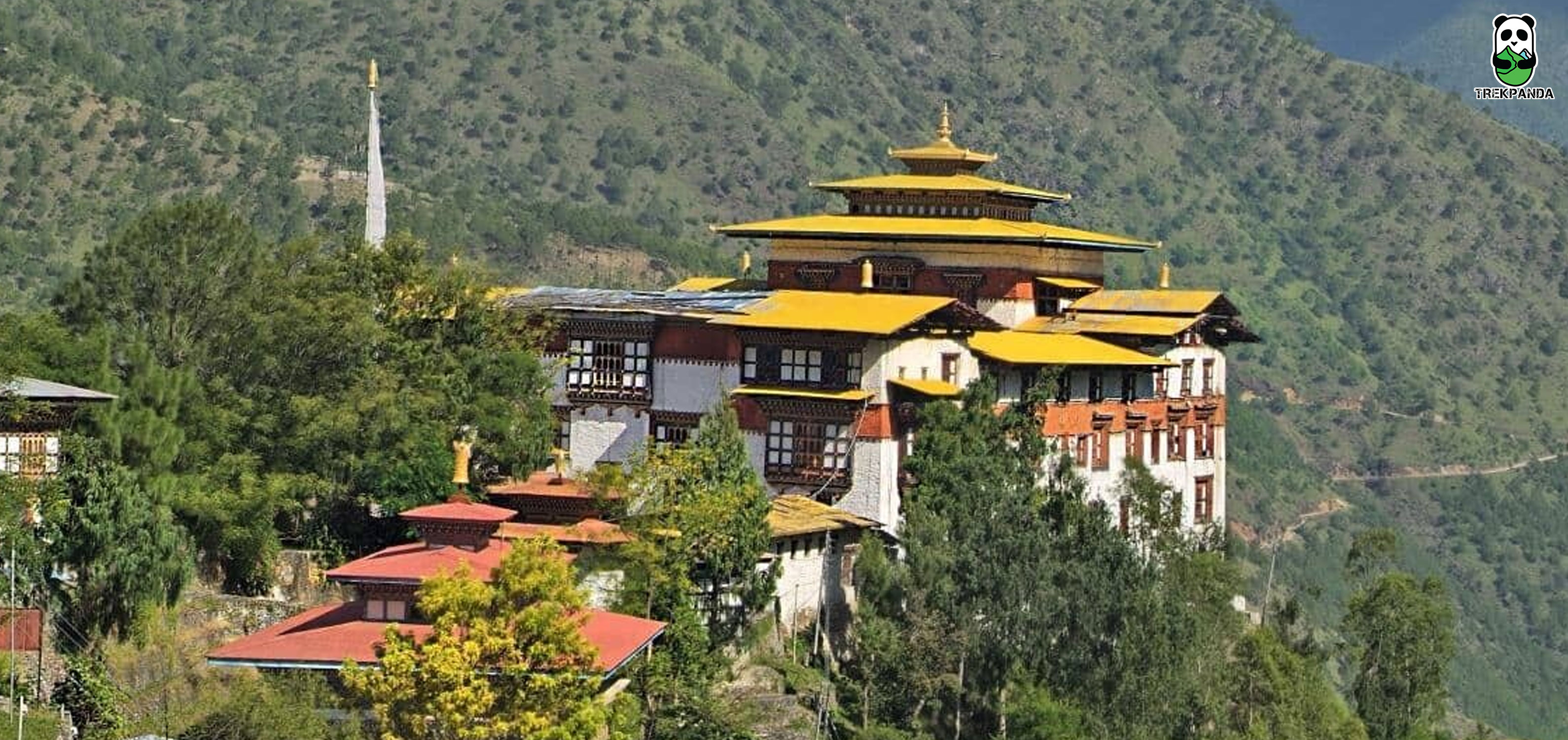
- Drametse Monastery: Origin of the famed mask dance known as “Drametse Ngacham,” now a UNESCO intangible heritage.
- Trashigang Dzong: Perched high on cliffs, overlooking the Gamri river.
- Local Weaving Villages: Discover the art of weaving intricate silk and cotton patterns. Buy a kira or gho (traditional dress) as a souvenir.
The Mongar Dzong which is beautifully maintained fortress overlooking deep valleys and also the Trashigang Dzong stands dramatically above the meeting point of two rivers the best scenic drive between these towns passes through the stunning Kuri Chhu Valley which is known for its Steep Gorges and breathtaking view for visitors. In terms of food it is spicier and more flavourful than in the west, specialities include Ema Datshi made with fresh chillies and Sishim Datshi which is a fern and cheese soup available during spring the best things visitors will experience.
FAQs
1. What is the best time to plan a Bhutan tour?
The best time to visit Bhutan is during spring (March to May) and autumn (September to November). These seasons offer clear skies, pleasant weather, and vibrant festivals like Paro Tshechu and Thimphu Tshechu, allowing you to enjoy scenic beauty, cultural events, and trekking experiences at their finest.
2. What are some must-try foods during a Bhutan tour?
Bhutanese cuisine is spicy and hearty. Do not miss Ema Datshi (chilli-cheese stew), Phaksha Paa (pork with radish), Jasha Maroo (spicy chicken), and red rice. Also, try Suja (butter tea) and momos at local eateries. The food experience is a big part of exploring the culture of Bhutan.
3. Are there any cultural etiquette to follow in Bhutan?
Yes, Bhutanese culture is deeply spiritual. Dress modestly when visiting monasteries and dzongs, walk clockwise around religious sites, and remove shoes before entering temples. Always ask before taking photos of locals or sacred spaces. Respect for tradition is an important part of any Bhutan tour experience.
4. Is a visa required to visit Bhutan?
Yes, except for citizens of India, Bangladesh, and the Maldives, all travellers need a visa to enter Bhutan. You must book your Bhutan tour through a licensed Bhutanese tour operator who will process your visa. A daily Sustainable Development Fee (SDF) is also applicable for international tourists.
5.How much does a Bhutan tour cost from India ?
The travelling expenses are India Travellers are exempt from the USD 100 SDF, making Bhutan highly accessible from India as per budget packages (3 nights, Paro and Thimphu) start at INR 25,000 to 35,000 per person including accommodations, meals and transport as well as guide. For the Mid-range 5 night packages covering Punakha cost INR 40,000 to 60,000 per person.
6.Is 5 days enough for a Bhutan tour?
For a 5 day tour the answer is yes, the tour is enough to cover the core western circuit of Paro,Thimphu and Punakha, including the Tiger’s Nest Trek and for Phobjikha Valley and Bumthang can be plan for 7-8 days. For eastern Bhutan including Trongsa, Mongar and Trashiganag requires a minimum of 10-12 days given the road distances. For first time visit 5 days sweet spot is enough time to go slowly, eat well and actually feel the rhythm of the country rather than merely check off its landmarks.