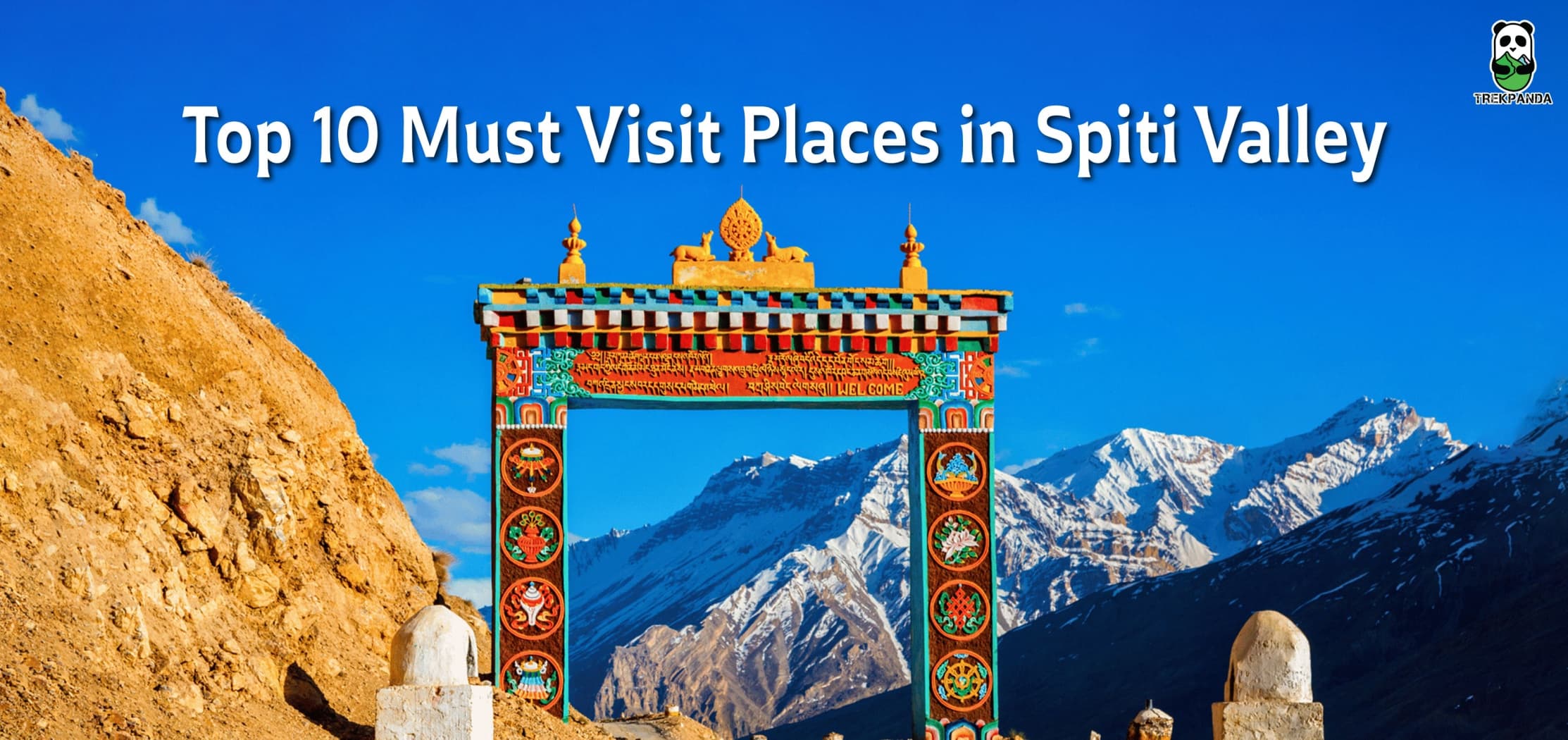
Have you ever imagined an escape so raw, so real, that it feels like stepping onto another planet? If yes, then Spiti Valley must be on your travel wishlist.
Spiti, located in the Northeastern Part of Himachal Pradesh, is the cold desert mountain valley, and is the kind of destination that makes its way not just into your travel journal but into your soul. This place is completely surrounded by rugged mountains, ancient monasteries, and untouched villages, where travellers can feel like they are in a world suspended in time.
So, add these below the top 10 places to visit in Spiti Valley to your itinerary, pack your bags, and take yourself to the less-traveled road for lifelong memories.
Best Time to Visit Spiti Valley
“June-July”, with pleasant temperature with wide road open and lush landscape and going Ladarcha Fair during this month.
“August” with moderate and misty rain with peak tourist season.
“September-October” with cool temperature and clear skies to take great photography and to see glossy season
“November-May” brings heavy snowfall to explore and do treks
1. Kaza
Located at an altitude of around 12,500 ft, Kaza is the largest town and the cultural heart of Spiti Valley, Himachal Pradesh. This beautiful town blends tradition with modernity, making it your ideal first stop in the valley.
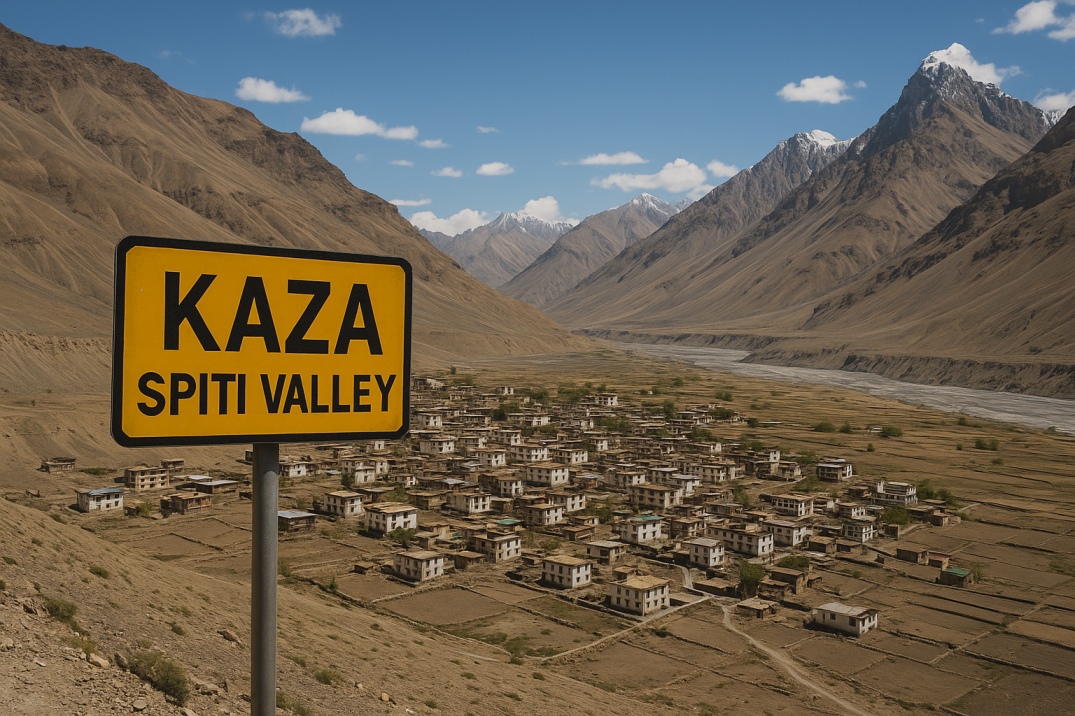
Here, you can explore the peaceful Kaza Monastery, followed by the vibrant local bazaar, where you can shop for Tibetan handicrafts and souvenirs. Kaza also serves as a hub for trekkers and your entry point into the other important places to visit in Spiti Valley.
Also, if you plan to visit Kaza in July, do not miss the vibrant Ladarcha Fair, a local festival that celebrates regional trade and culture.
Spending your first day in Kaza just resting and acclimatising. The altitude hits differently than you expect, the Kaza market also has a few excellent cafes serving hot meals and fast Wi-Fi, which is rare in the valley.
2. Key Monastery
Located around 14 km from Kaza, at a height of approximately 13,668 ft, Key Monastery is the oldest and largest monastery in Spiti Valley. It is a 1,000-year-old Tibetan Buddhist gompa that sits dramatically on a hilltop and offers panoramic views of the Spiti River below.
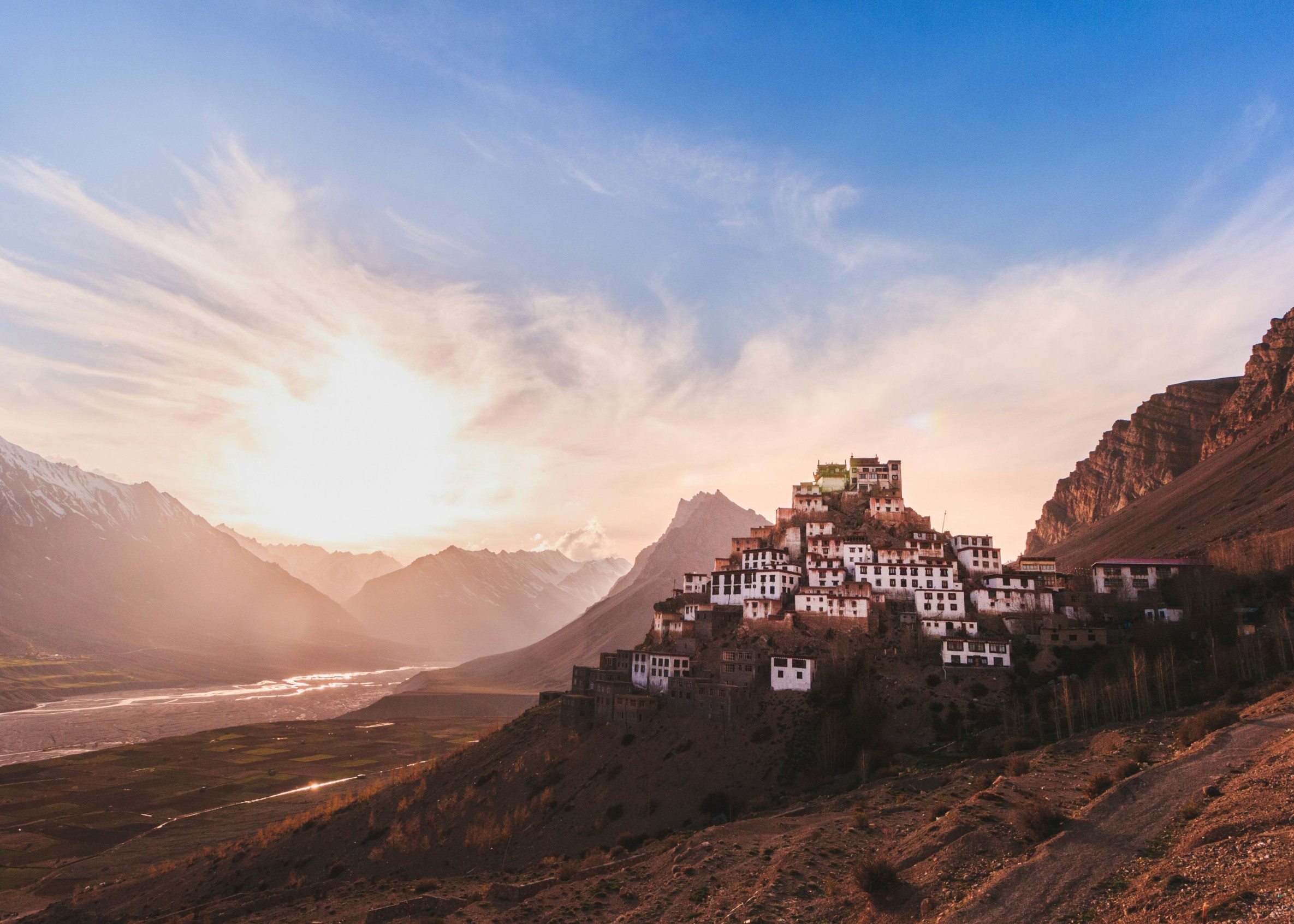
Your visit here is nothing short of spiritual therapy. This monastery's ancient scriptures, murals and thangkas are preserved in its compact museum. Also, if you are lucky, the monks may invite you for a cup of traditional butter tea.
Try to visit this place in Spiti in February and March as the monastery also celebrates Losar (Tibetan New Year) every year with chants, dance, and spiritual fervour.
The best time to photograph Key Monastery is at sunrise or sunset when the golden light hits whitewashed walls. It is one of the most Instagrammable locations in Spiti Valley and a favourite travel photographer.
3. Kibber
Kibber, once known as the highest motorable village in the world, is a charming high-altitude village in Spiti Valley, Himachal Pradesh. Located at an altitude of around 14,200 ft (about 18 km from Kaza, Kibber is now famous for the Kibber Wildlife Sanctuary, where you can spot rare species, like the elusive snow leopard, the Himalayan blue sheep, or the ibex.
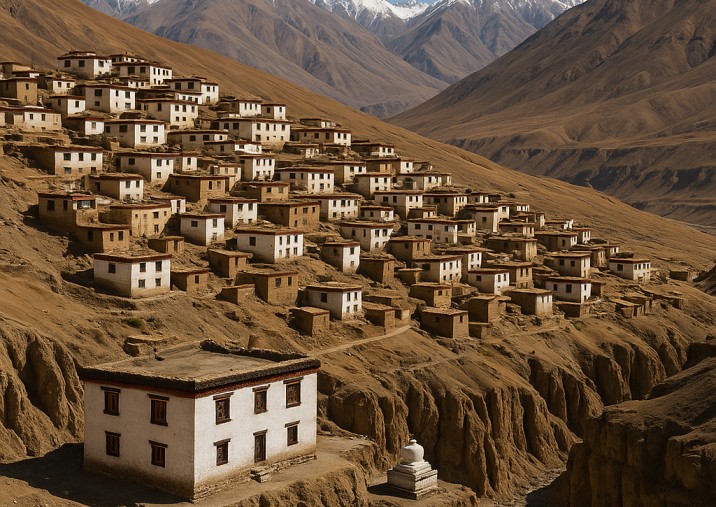
So, if you are an adventure seeker and want to add extras to your Kibber trip, you can trek to nearby villages like Gette and Tashigang. Stargazers can also enjoy the crystal-clear night skies.
With its picturesque landscape and unique biodiversity, Kibber is one of the most unforgettable places to visit in Spiti Valley.
If snow leopard spotting is your bucket list, plan your Kibber visit between January and March when these elusive cats come down to lower altitudes following their prey. Several local guides in Kibber specialise in Wildlife tracking and offer overnight watching sessions.
4. Langza
Perched at an altitude of around 14,500 ft, Langza is one of the most fascinating villages in Spiti Valley, Himachal Pradesh. This quaint hamlet is instantly recognisable by its iconic giant Buddha statue, which peacefully overlooks the village and the vast trans-Himalayan landscape.
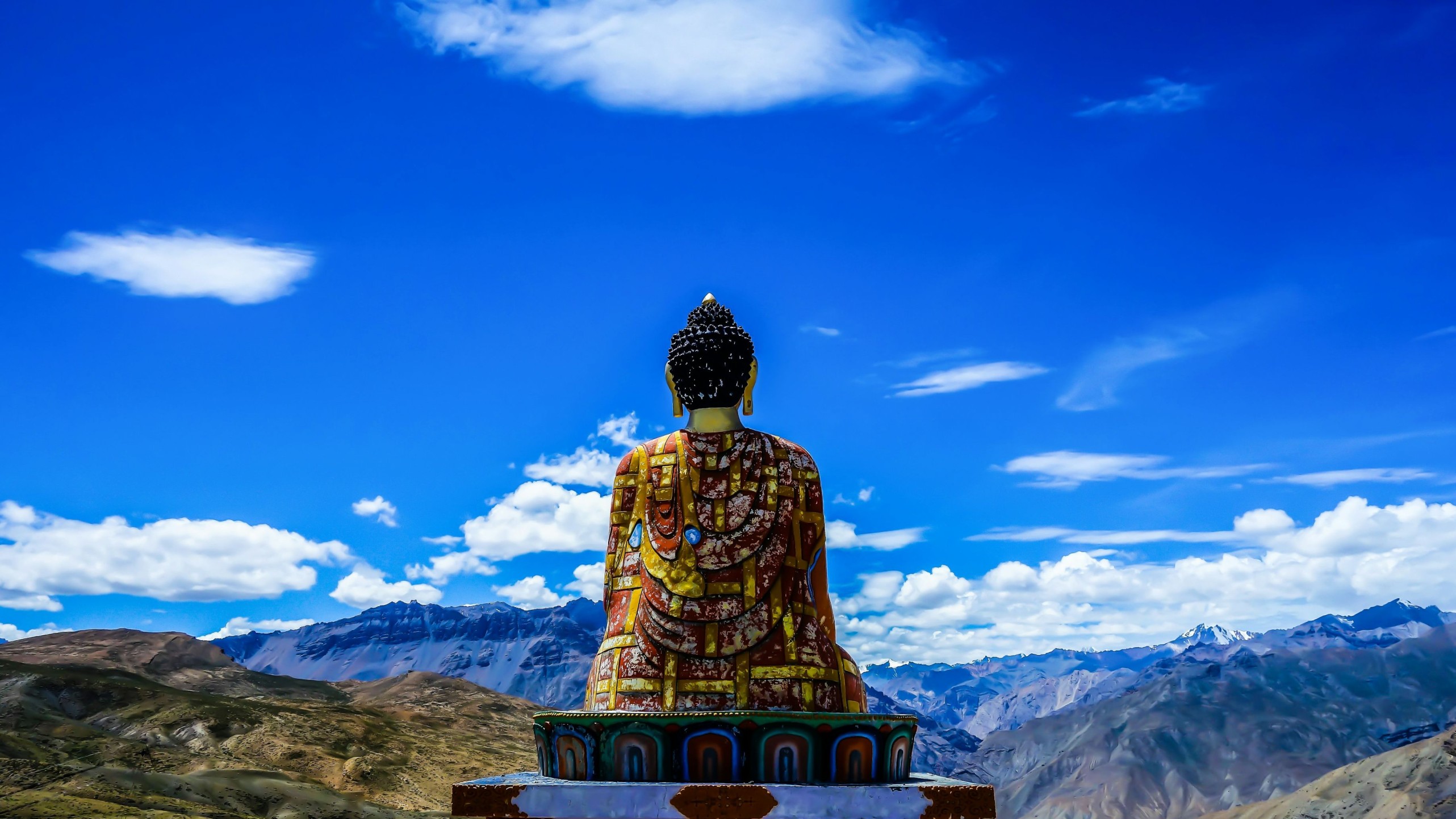
Additionally, Langza is famously known as a fossil site, where you can go fossil hunting with local children. Many ancient marine fossils have been discovered here, which gives a hint at its prehistoric past.
If you love trekking, you can take a short hike to Hikkim from Langza, home to the highest post office in the world.
This place where you can buy your fossils only from registered village shops and avoid picking them up freely from the land, it is regulated to preserve the heritage. Langza’s homestays are among the most authentic in Spiti, run by local families who serve homemade Spitian Meals.
5. Chandratal Lake
The Chandratal Lake, named after its crescent moon shape, is one of the most breathtaking sights in Spiti Valley. Located at an altitude of around 14,100 ft (4,300 meters) near Kunzum Pass, this lake changes colours throughout the day, shimmering in hues of blue, green, and turquoise.
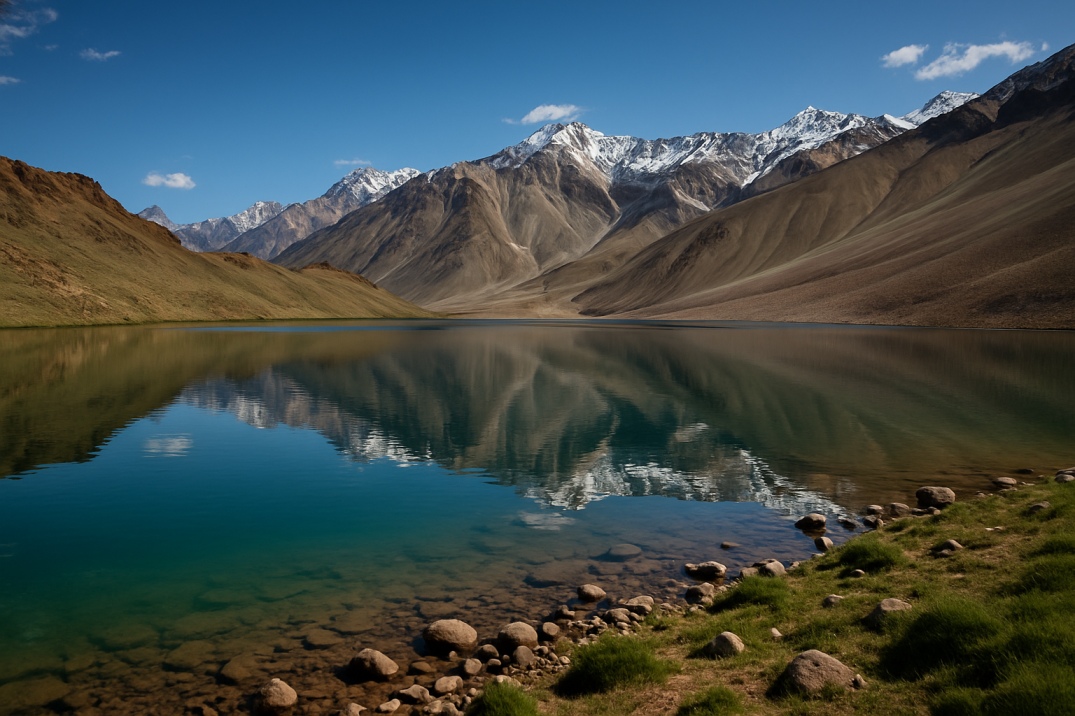
This place to visit in Spiti is a favourite among nature lovers, trekkers, and photographers alike. The lake has no permanent settlements, but during the summer months, you can camp overnight near its shores under a sky full of stars.
Early mornings here are serene, perfect for a meditative walk around the lake. Though there are no festivals directly at Chandratal, it is often visited during trekking expeditions and local pilgrimages.
When we talk about Chandratal Lake where camping is only permitted to some designated sites only.The lake is closed for camping in post-October due to snow so planning to visit should refer to the itinerary.
6. Tabo
If you love history, art, and spirituality wrapped in mountain silence, then Tabo is one of the best places to visit in Spiti.
Located at an altitude of around 10,760 ft in the lower region of Spiti Valley, this ancient village is home to the iconic Tabo Monastery, often called the “Ajanta of the Himalayas”. Over 1,000 years of legacy, this monastery is decorated with stunning murals, frescoes, and sculptures that tell timeless Buddhist tales.
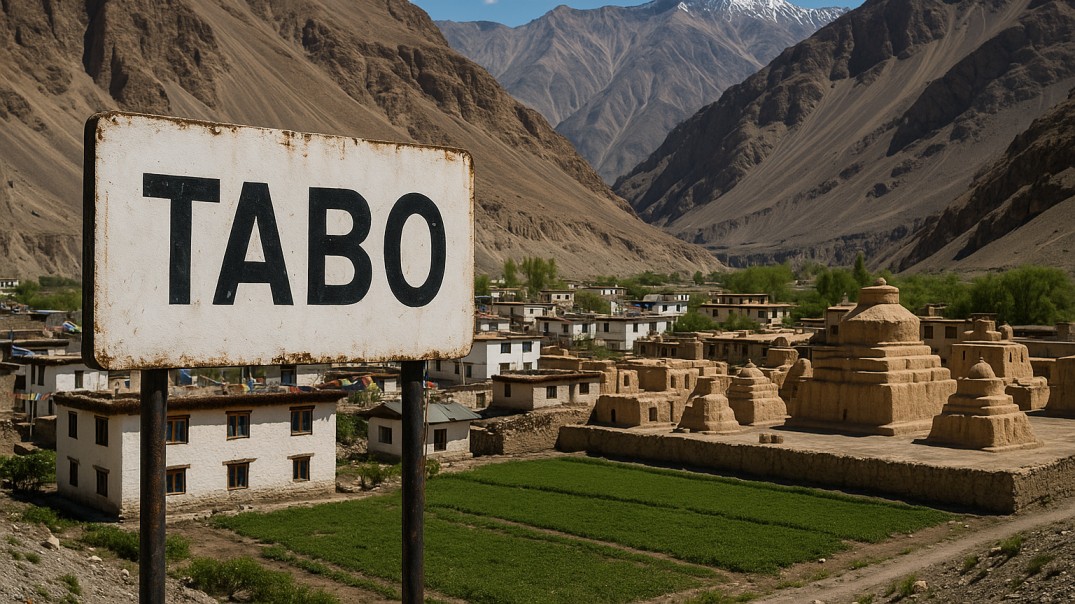
Behind it, you will find meditation caves and the peaceful Spiti River, which is perfect for a quiet escape. Also, try to visit this in the month of September, as during this time you may witness the Chachar Festival, held every three years, which definitely will steal your heart.
Tabo Monastery is also a UNESCO tentative World Heritage Site, this detail alone makes it a powerful keyphrase and content anchor. The Dalai Lama has held Kalachakra ceremonies here. Photography inside the main temple is restricted, so keep your camera outside and simply absorb the atmosphere.
7. Dhankar
Have you ever wondered what it feels like to stand on the edge of a cliff and look out over a rugged Himalayan landscape? Dhankar, located at around 12,800 ft in Spiti Valley, offers exactly that and more.
Once the capital of the Spiti kingdom, this village is home to the stunning Dhankar Monastery, a 16th-century marvel dramatically perched on a rocky cliff. The monastery is a peaceful place to explore ancient murals, prayer halls, and interact with lamas who offer insight into monastic life.Additionally, if you are up for a bit of adventure, you can try a 4 km trek that will take you to the serene Dhankar Lake, surrounded by snow-capped peaks.
This Monastery is on the World Monuments Fund’s list of most endangered monuments, visiting here is nt just travel but an act of conscious heritage tourism. The Dhankar Lake trek takes about 2-3 hours round and is moderately easy.
8. Pin Valley
Pin Valley, located inside the Pin Valley National Park at an approximate altitude ranging from 11,500 to 20,000 ft, is one of the most beautiful corners of Spiti Valley, Himachal Pradesh. So, if you are dreaming of a softer, greener side of Spiti, otherwise rugged terrain, this is where the landscape truly surprises you.
Here, you can visit Kungri Monastery, the second oldest gompa in Spiti, which is famous for peace and ancient history. If you are lucky, you may also see Himalayan ibex, red foxes, or even a snow leopard.You can also try for a short trek from Mudh Village, the last motorable village, which offers mesmerising valley views and alpine wildflowers. Pin is also known for its serene vibe and simple Spitian meals, making it a peaceful and soulful place to visit in Spiti Valley.
It is one of the few regions in India where you can do a Snow Leopard Safari in winter. The valley also offer a beautiful cross-valley trek, the “Pin Parvati Trek” that connects Spiti to Kullu, consider one of India’s toughest and most scenic treks.
9. Losar
Located at an altitude of around 13,400 ft on the eastern edge of Spiti Valley, Losar is one of the most peaceful and offbeat villages that you will come across. It is often your first or last stop in the valley, especially if you are coming from Manali via Kunzum Pass.
This village is ideal for acclimatising, offering clean air, wide-open landscapes, and peaceful vibes. Here, you can take a calming stroll along the Losar River, or you may spot herds of yaks and wild horses grazing freely. Also, the nearby Kunzum Mata Temple, located at the pass, adds a spiritual element to your stop.With no rush, no crowds, and only the sound of the wind, Losar offers a soul-soothing break and stands out as one of the most peaceful places to visit in Spiti Valley.
This place which most of the travellers skip Losar in a hurry to reach Kaza, but spending a night here helps your body adjust to the altitude before heading deeper into the valley. The village has basic but warm homestay options.
10. Gue
Located at an altitude of around 10,500 ft, Gue, a tiny village near the Indo-Tibetan border, is one of the most mysterious and offbeat places to visit in Spiti Valley.
But do you know what makes this place truly unique? It is the 500-year-old naturally preserved mummy of a Buddhist monk, which is believed to have self-mummified while meditating. Housed in a glass shrine at the Gue Monastery, the mummy has fascinated scientists and spiritual seekers alike. The road to Gue can be rough and remote, but the journey is well worth it for the sense of wonder it offers. Surrounded by barren cliffs and silence, this village holds an aura of myth, history, and sacred mystery, reminding you that Spiti has stories you will not find anywhere else.
The Gue Mummy is one of the most Googled curiosities in Spiti Valley and a strong SEO Keyword itself. Travellers should pair your visit to Gue with the nearby Tashignag village for a complete off-the-beaten-path experience. Always carry enough fuel, food , and water for this stretch.
Spiti Valley Festivals
Spiti Valley's festivals are not tourist spectacles; they are living spiritual events that have been observed for centuries, and attending one adds an entirely different dimension to your visit.
Losar, the Tibetan New Year, is celebrated in February or March across Key Monastery and Kaza with mask dances, prayer ceremonies, butter lamp offerings, and community feasts. Immediately following Losar, the Guitor Festival at Key Monastery is arguably the most visually dramatic event in all of the Himalayas. Monks in towering, elaborately carved masks perform the Cham dance, a ritualistic enactment of the destruction of evil in the monastery courtyard. Very few mainstream tourists know this festival exists, which means if you time your trip right, you may witness it with almost no one else around.
In July, the Ladarcha Fair in Kaza brings the valley to life with regional trade, folk music, and cultural exchange that echoes the ancient Tibetan-Indian trade routes this valley once carried. September brings the rarest event of all the Chachar Festival at Tabo Monastery, held only once every three years, featuring masked rituals and ceremonies that have remained unchanged for a millennium.
For those visiting Pin Valley, the harvest festivals in September celebrate the community's agricultural year with yak racing and folk performances. And for the rare winter traveller, Kaza's Winter Carnival in December offers snow sports, local food stalls, and a look at Spitian life when the mountains close the world out entirely.
One important note: all Spiti festivals follow the Tibetan lunar calendar, so exact dates change every year. Check the Himachal Pradesh Tourism official website or contact local operators in Kaza for confirmed dates before planning your trip around one
Local Food and Drinks in Spiti Valley
Spiti's cuisine is deeply Tibetan in character, hearty, warming, and built for survival at extreme altitude. Every dish here has a purpose, and eating local food is one of the most meaningful ways to connect with the culture of the valley.
Thenthuk is the dish you will crave every cold evening, a hand-pulled flat noodle soup served in a rich vegetable or yak meat broth that warms you from the inside out after a long day on mountain roads. Tsamba, roasted barley flour mixed with butter tea or water, is the traditional high-energy meal of monks and farmers, eaten for centuries in essentially the same form you will find it today. Tigmo, a steamed coiled bread served with spiced vegetables, is rustic and deeply satisfying. Butter tea or Po Cha is salty, creamy, yak-butter tea that shocks most first-time visitors but genuinely keeps the cold away in a way that no hot chocolate can match. Chhang, the locally brewed barley beer, is mildly alcoholic and slightly sour, shared at every celebration. And Arak, the stronger barley spirit brewed in villages like Demul, is poured during cultural evenings and is part of the valley's social fabric.
The single most interesting local ingredient, however, is sea buckthorn, a wild orange berry that grows across Spiti's hillsides and has been used in Tibetan medicine for centuries. It contains more Vitamin C than oranges and carries a sharp, tart, powerful flavour. Try it as fresh juice at the Spiti Organic Kitchen in Komic village, a sustainability-focused café that uses only locally farmed, organic ingredients and is one of the most memorable lunch stops in the valley. In Kaza, Dragon Restaurant in Old Kaza is a local favourite run by a couple who serve yak meat momos, buckwheat pancakes, and tingmo using biodegradable plates and composting all food waste, making it one of the most responsible eateries in the Himalayas. The Yak Café near the Kaza market is smaller and cosier, reliable for dal-chawal, thukpa, and a warm conversation.
The honest truth, though, is that the best food in Spiti is consistently served at village homestays simple, fresh meals made with barley, lentils, potatoes, and seasonal vegetables grown at 14,000 feet, cooked by families who have been feeding travellers with extraordinary generosity for decades.
Top Treks in Spiti Valley
Spiti Valley is a trekker's playground, offering routes that range from a gentle two-hour stroll to eleven-day expeditions that cross some of the highest terrain in the world. Here is every major option, from easiest to most demanding.
The Dhankar Lake Trek is the most accessible hike in Spiti a four-kilometre walk from Dhankar Monastery that takes about two to three hours return and rewards you with a stunning glacial lake ringed by snow-capped peaks. It is ideal for first-time high-altitude trekkers or anyone who wants to move their legs after days in a vehicle.
The Langza Hikkim Komic Circuit is a full-day easy-to-moderate loop from Kaza that covers fossil hunting in Langza, the world's highest post office in Hikkim, and the world's highest motorable village in Komic. It requires no special gear and is one of the most satisfying single-day experiences in all of Spiti.
The Chandratal Trek is a moderate two-to-three day journey ending at the crescent-shaped glacial lake at 14,100 feet, and it connects with the famous Hampta Pass for those who want to extend their adventure into Lahaul.
The Spiti Left Bank Trek, also called the Village Homestay Circuit, is the most underrated multi-day route in the valley. You walk from village to village Langza to Komic to Hikkim to Demul to Lhalung staying in homestays every night with no tents or cooking gear required. Local guides from Kaza can arrange this for approximately 1,500 to 2,500 rupees per day all-inclusive. If the altitude or the trail gets too much, you can always descend to the main road and find a vehicle back to Kaza making it one of the most flexible trekking experiences in India.
Kanamo Peak is for those who want to stand on a summit. Based out of Kibber, this moderate-to-hard climb reaches approximately 6,000 metres and takes two to three days, offering panoramic views stretching more than 50 kilometres across the trans-Himalayan plateau on a clear day.
The Pin–Parvati Pass Trek is one of India's most scenic and demanding crossings, connecting Spiti to the Parvati Valley in Kullu over ten to twelve days of high-altitude terrain. It is recommended only for experienced trekkers with proper gear and a certified guide.
The Parang La Trek is expedition-level. This eleven-to-twelve day route follows an ancient trading path that once connected Spiti to Ladakh, starting from Chicham and ending in Korzok in the Changtang Valley. It crosses some of the loneliest and most beautiful landscapes in the Indian Himalaya and should only be attempted with a reputable local operator, a full acclimatisation plan, and emergency support.
FAQs
Q1 Which route is better to reach Spiti Valley from Manali or from Shimla?
Both routes have their own character, and the right choice depends entirely on your travel plan and the time of year. The Manali route via Rohtang Pass and Kunzum Pass is the shorter and more dramatic of the two, covering approximately 200 kilometres from Manali to Kaza and passing through some of the most breathtaking high-altitude terrain in India. However, this route is only open between June and October, and even within that window, it can be temporarily blocked after heavy rain or snowfall. The Shimla route via Kinnaur, Nako, and Tabo is longer at around 412 kilometres from Shimla to Kaza, but it remains open for most of the year and is generally considered the safer and more road-friendly option. For first-time visitors, the Shimla route is highly recommended as it also allows you to acclimatise gradually while passing through the beautiful Kinnaur Valley. For experienced travellers on a tight schedule between June and September, the Manali route offers the more iconic road trip experience. Many travellers choose to enter via one route and exit via the other to get the best of both worlds in a single circuit trip.
Q2 Is Spiti Valley suitable for first-time high-altitude travellers?
Yes, Spiti Valley is absolutely accessible for first-time high-altitude travellers, provided you approach it with the right preparation and mindset. The key is to not rush. Most of Spiti sits above 12,000 feet, with several villages and attractions like Kibber, Langza, and Komic reaching up to 14,000 to 14,700 feet. At these altitudes, Acute Mountain Sickness or AMS is a genuine risk, and its symptoms headache, nausea, dizziness, and breathlessness can appear without warning even in fit and healthy individuals. The most effective prevention is simple: arrive slowly, rest on your first day in Kaza without any strenuous activity, drink plenty of water, and avoid alcohol for at least the first 48 hours. Consulting a doctor before your trip and carrying Diamox as a precautionary measure is also strongly advised. Starting your Spiti circuit from the Shimla side and entering the valley gradually, rather than coming directly from Manali in a single day, gives your body the best chance to acclimatise naturally. With sensible planning, Spiti Valley is not just possible for first-timers, it is one of the most deeply rewarding first high-altitude experiences in all of India.
Q3 Can I do a self-drive trip to Spiti Valley or do I need a guided tour?
Self-drive trips to Spiti Valley are very much possible and are in fact one of the most popular ways to explore the valley, especially for travellers who value flexibility and independence. However, they come with important requirements that should not be underestimated. The roads in and around Spiti are challenging, narrow, unpaved in stretches, prone to landslides during monsoon season, and entirely unforgiving if you are not comfortable behind the wheel on mountain terrain. A sturdy SUV or a 4WD vehicle is strongly recommended, particularly for reaching places like Chandratal Lake, Gue, and the Pin Valley. If you are renting a vehicle, ensure it comes with a local driver who knows the road conditions, especially beyond Kaza. For those who prefer structure and local knowledge, a guided tour adds significant value in Spiti local guides know which roads are open, which village homestays are genuine, where the best fossil sites are in Langza, and how to spot snow leopards at Kibber. Whether you go self-drive or guided, always carry offline maps, a full fuel tank leaving Kaza, basic vehicle tools, and enough cash for the entire trip since ATMs beyond Kaza are unreliable or completely absent.